


The Ins & Outs of Journalism
- Mila Ekstrom
- Jan 15
- 4 min read

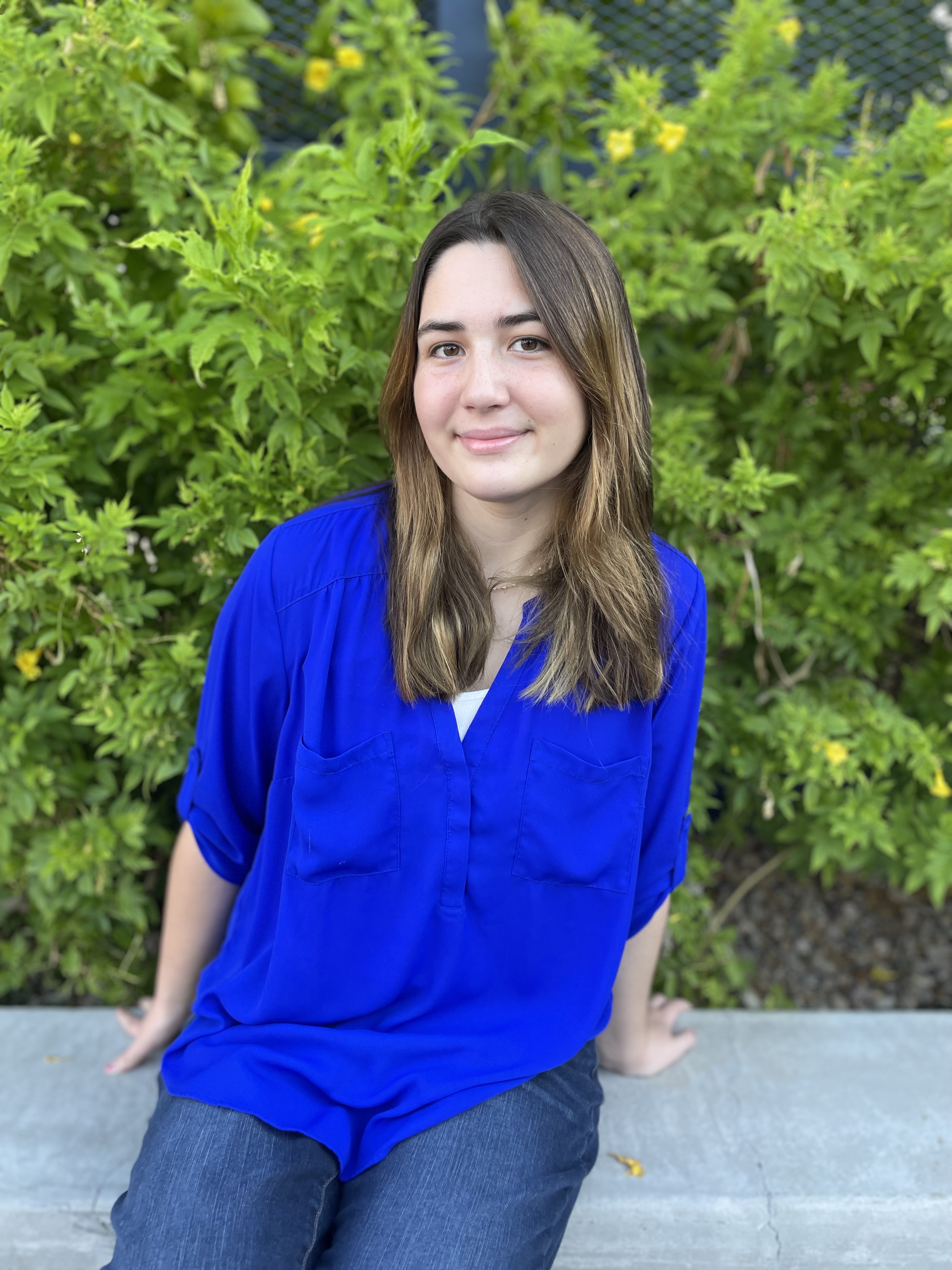
Speak Up // Making an impact is journalism, and while it is all around you, it’s something you may not even realize. Everywhere you look, from ads on a bench, in colleges or universities, and right here at Coronado High School. (Photo by Mila Ekstrom)
Journalism is an elective course here at Coronado, and it is also a career choice that many people have chosen, like Ida B. Wells, Barbara Walters, Lester Holt, and many more famous journalists. Journalism as a whole includes many different types of journalism, from fun and light pieces to heavy and impactful pieces. You will be able to learn a variety of things, in everything from what journalism is, to how you can find your place in it right here at Coronado, and potentially for your future career.
WHAT IS JOURNALISM?
Journalism is an umbrella term that has two distinctive sections: broadcasting journalism and written journalism. Broadcasting journalists are people on the news, as well as influencers who go on camera and give your news face-to-phone screen. Broadcasters utilize more verbal communication than written, and they have their face on air 24/7. In turn, if you are a shy person, broadcasting may not be the branch of journalism that suits you.
However, written journalism could be. In this branch, you focus on writing articles that have your name in the byline, or if you don’t like the attention, you could write as an anonymous writer instead. It really depends on how much spotlight you want. Whichever category you fall into, the main duty of journalism is to make sure the news gets out in the world, good and bad, and that can be done in many different ways.
5 Types of Journalism Here at Coronado :
Opinion/Editorial (Op/Ed): This is the type of journalism where you can use bias and voice your ideas in many styles of articles. You can use an Op/Ed article as a pro/con article. This is one of the trickier types of journalism, as you have to educate others, while not insulting another side that’s not your own. You can be biased as long as you respect the other side, because as journalists, we should show both sides even if you don’t agree with both.
News: Anything can be news-related; news comes from the recent and timely manner in which something happened. However, when anyone thinks of “news,” the first thing that usually comes to mind is politics, accidents, incidents, the stock market, and tragedies (shootings, natural disasters, bombings, etc.).
Arts & Entertainment: This umbrella term is used for a type of article that covers anything fashion, food, music, movie, and TV show related. It can be a biased paper that voices an opinion on things like trends related to these topics, and could also just cover an event like the Oscars. There is a lot of diversity within this topic, and some examples of Arts and Entertainment articles are how-to articles, critiques/reviews, etc.
Feature: This section of journalism is one that can go along with other sections of journalism, and can talk about specific events, clubs, or people (e.g., choir club, STUCO president) right here at Coronado.
Sports: Anything related to sports—whether that’s games, tournaments, history of a sport, or even how to play a particular sport. At Coronado, we make sports briefs, which are little snapshots of a game that report on who won. What was your favorite part of the game? How could you better prepare for your next meet? When is the next meet/game?
Journalism itself is extremely versatile. You can apply a journalism degree and writing and investigative skills to become an author, a consultant, an advertiser for big companies, and can use these tools to thrive in journalism.
SKILLS TO BE A JOURNALIST
To be a journalist, you have to be okay with public speaking, or at least communicating and reaching out to random people, as you have to interview sources for quotes. In turn, being friendly and having a pretty solid reputation with teachers, students, coaches, etc., can be helpful for getting the information you need to cover the topics you want to be writing or broadcasting about. It is essential that you are polite and respectful to other people’s time, and the most important rule of journalism is to be timely. Every article that gets circulated has to make sense within the time period it is in. To be a great journalist, you need good time management skills because you need to be able to schedule out writing your article, get your quotes, get a photo taken either by yourself or from a photographer, and have your articles checked by your editors. If you have these skills or have potential in them, journalism might be a great path to take.
JOURNALISM @ CORONADO

In Coronado, there are two electives that can be chosen. First is Journalism Foundations, which focuses on the basics of journalism, from the structure of an article to learning how to develop your sources, to prepare you for the next level. After a year of Journalism Foundations, if you are interested in pursuing journalism as a career, or for a fun and useful class in your schedule, pick Journalism II as your elective for the new school year. You will be able to pick your own articles, create your own graphics, get your own photos, and meet new people. Additionally, you can grow by having leadership opportunities, such as becoming an editor. Journalism II is not just an elective, but a small family that always helps each other out, creating a community full of love and support. If you’re interested, click yes for Journalism on the new elective form, and be a part of growing our team with Ms. Bloom-Potts in Room 213.


Comments