


A Historical Analysis of Early 21st Century “Meme” Culture

Curated by the Department of Internet History, 2226
Artifact 1: Doge

(Artifact Courtesy of Atsuko Sato)
A photograph of a domesticated Shibu Inu canine accompanied by fragmented captions appears repeatedly in early internet records, making it one of the earliest and most influential internet memes of this era. Captions such as “wow” and “much amaze” lack conventional structure and were long believed to signal declining literacy.
Historians now argue this marked the beginning of true “slang,” a linguistic shift in which grammar was intentionally abandoned. As this period continues, many historians see their grammar and words unknown or way off their standard dictionaries during that era. As the trends of informal speech took hold of many during this time period, it ultimately changed a lot of the standards and levels of literacy that were revealed in later years before. Thankfully, formal speech was integrated back into society similar to the language that some historians have found that people had used in the 17th through 19th centuries.
Artifact 2: The Sneeze Disease, “the Dab”
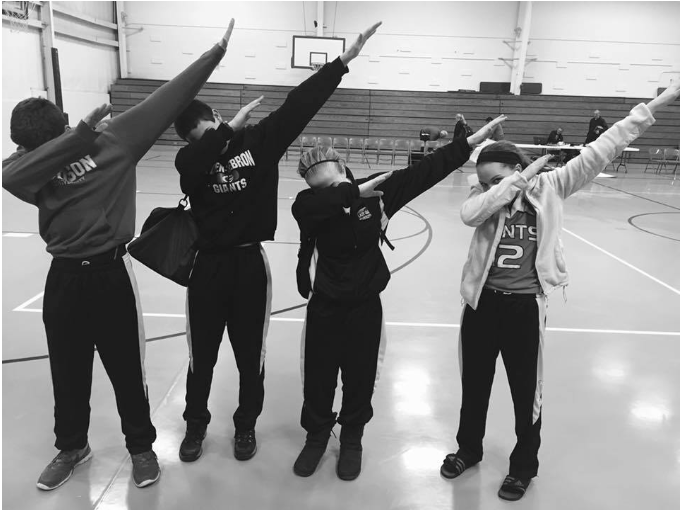
(Artifact courtesy of Gokudabbing)
This repeated gesture appears across thousands of early-21st-century images, often performed in public and group settings. This posture is now understood as a technique used to contain sneezes during a widespread illness.
The sheer frequency of this gesture suggests the sickness was not only airborne but socially unavoidable. Individuals frequently documented themselves mid-sneeze, a practice that remains one of the era’s more puzzling behaviors.
Our research indicates this illness was referred to as “the Dab,” named after the gesture itself. Some scholars theorize this condition was so common that sneezing evolved into a social signal, possibly associated with status or belonging. The sudden disappearance of the gesture suggests medical intervention.
Artifact 3: “😭,” The Greater Depression

(Artifact retrieved by Caleigh Burns)
Researchers have found multiple accounts of the use of “😭” facial expression in texts, leading to beliefs of a widespread depression, especially among Generation Z during the period in question. Additionally, we see this individual state, “i’m crying,” indicating their low self-esteem as they cried over the idea of a mere pop quiz they have yet to take. Historians believe that this generation had undergone a vast depression, as they cried often. This phenomenon is thought to be linked to the ubiquitous use of social media.
Artifact 4: “6 7”

(Artifact Courtesy of Lillian Horrowitz)
Historians remain divided on the meaning of “6 7,” which is often delivered deliberately, including a hand gesture that moves up and down, and without context. Early theories suggested that using this phrase signified growth and change. Others believe that it is used when you can’t decide between two options, leading people to say “6 or 7?” Some believe that it is a cultural identity, that people deeply resonate with the numbers 6 and 7, becoming an integral part of their culture and beliefs.
A true consensus has yet to be established.
Artifact 5: Religious Animal Keychain, “Labubu” Figurine

(Artifact courtesy of Zoey Angel)
Historians first believed that this plush figurine acted as some sort of guardian against evil. Its unsettling appearance has been interpreted as a relic intended to ward off negative energy, similar to other ancient protective figures. Historians also see that many of the people who owned these figurines have substantial amounts of them, signifying their importance. Our research team has come to the conclusion that the widespread placement of Labubu in especially personal places suggests emotional attachment, though whether this attachment was based on comfort or fear remains unclear.
From unique slang to widespread illness and depression, it is clear that this meme culture holds a lot of rich history that encompassed the early 21st century. Whether these things were used as coping mechanisms, a cry for help, or for humor, our historians are still hard at work researching the details of what made this one of the most prominent and mysterious centuries to date. Whether we should take these messages as something to imitate or something to avoid is still being widely debated amongst historians. It is evident that these artifacts and the meme culture they revealed were a representation of a world that was unconventional and different.


1 Comment